Innovative Approaches to Custom Design in Metal Fabrication
Table Of Contents
Innovative Welding Techniques
The landscape of metal fabrication is undergoing a transformation with the adoption of advanced welding techniques that enhance efficiency and joint strength. Methods such as laser welding and friction stir welding are gaining popularity due to their precision and ability to join dissimilar materials. These innovative processes not only reduce the thermal distortion often associated with traditional welding but also facilitate the creation of intricate designs that meet specific project requirements.
Furthermore, the integration of robotic automation in welding operations is reshaping manufacturing workflows. Automated welding systems offer consistent quality and speed, making them ideal for high-volume production runs. As technology continues to evolve, these innovations allow fabricators to push the boundaries of creativity while maintaining structural integrity in their projects.
Exploring New Methods for Stronger Joints
Recent advancements in welding techniques have opened new avenues for creating stronger joints in metal fabrication. One notable method is the use of laser welding, which allows for precise control over the heat input and minimizes distortion. This technology enables manufacturers to join materials with varying thicknesses and compositions while producing clean and narrow weld seams. Additionally, this approach enhances the overall mechanical properties of the joints, making them more resilient to stress and fatigue during operation.
Another innovative technique gaining traction is friction stir welding. This solid-state process utilises rotational motion to generate frictional heat, allowing materials to meld without reaching their melting point. The resulting joints exhibit superior strength compared to traditional welding methods due to their fine grain structure. As industries continue to demand high-performance components, embracing these advanced welding techniques is vital for achieving the desired durability and reliability in metal fabrication projects.
Custom Finishing Options
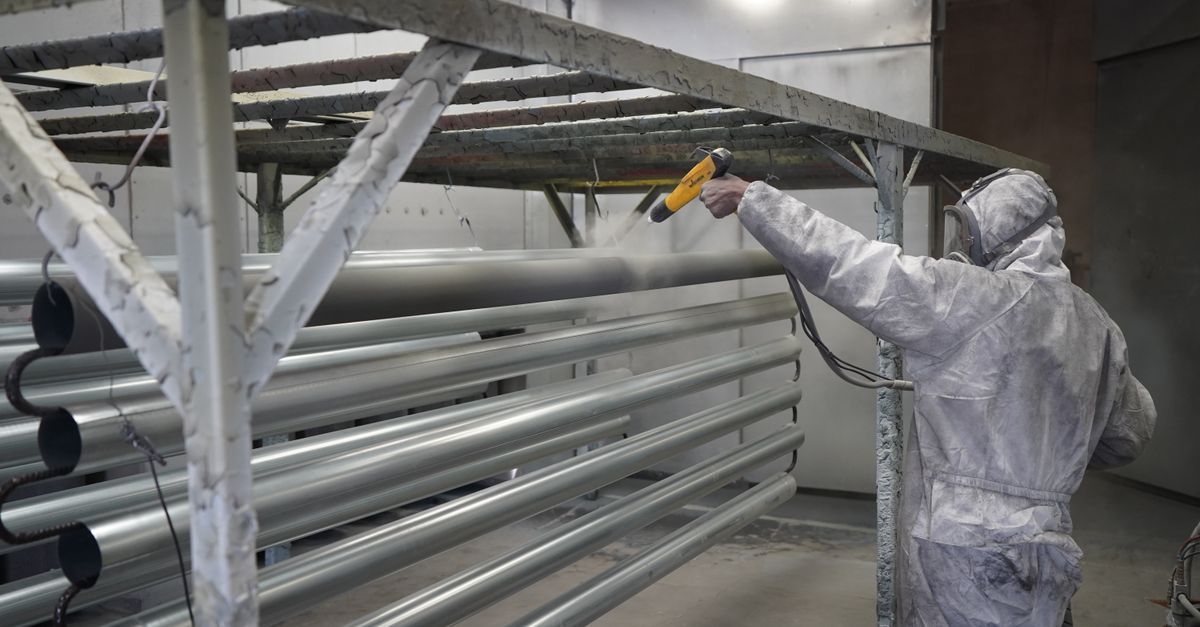
In the world of metal fabrication, the finishing process plays a crucial role in the final appearance and functionality of products. Various custom finishing techniques can be employed to achieve specific aesthetic qualities and to enhance the material's resistance to wear and corrosion. Processes such as powder coating, anodising, and plating not only provide visual appeal but also contribute to the longevity of metal components. Designers can select from a wide array of colours, textures, and finishes, ensuring each piece meets both practical requirements and personal preferences.
Beyond aesthetics, custom finishing options significantly impact the performance characteristics of fabricated metals. For example, applying specific coatings can improve the surface hardness, thus resulting in better wear resistance. Innovative finishes may also provide added protection against environmental factors, making them ideal for outdoor applications. The ability to tailor these finishes allows manufacturers to offer bespoke solutions that satisfy the diverse needs of clients across various industries.
Enhancing Aesthetics and Durability
The demand for custom finishing options in metal fabrication has increased as industries seek to elevate their products’ visual appeal while enhancing their longevity. Techniques such as powder coating, anodising, and galvanising are at the forefront of transforming standard metal components into pieces that stand out. Powder coating, for instance, offers a wide array of colours and textures, allowing for highly customised finishes that resist chipping and fading. Anodising not only improves corrosion resistance but also provides a variety of surface textures and colours, adding to the aesthetic value.
Durability remains a critical factor in customer satisfaction and product lifespan. The selection of appropriate finishing techniques contributes significantly to the overall resilience of metal products against environmental factors. Finishes that incorporate UV protection and weather resistance extend the functional life of components used in outdoor applications. By prioritising aesthetics and durability in custom finishes, manufacturers can deliver products that not only meet practical requirements but also resonate with design sensibilities.
The Impact of Industry 4.0 on Metal Fabrication
The advent of Industry 4.0 has significantly transformed the landscape of metal fabrication. Advanced technologies such as the Internet of Things (IoT), artificial intelligence, and machine learning enable manufacturers to gather and analyse vast amounts of data from their operations. This data-driven approach allows businesses to optimise production processes, reduce waste, and predict maintenance needs, leading to increased efficiency and lower operational costs.
Smart manufacturing systems also foster a more customised production environment. By integrating advanced robotics and automation, companies can tailor their processes to meet specific client requirements quickly. This flexibility facilitates the creation of unique designs and enhances the ability to respond rapidly to market demands, ultimately driving innovation in custom design and fabrication solutions.
Smart Manufacturing and Custom Solutions
The integration of smart manufacturing technologies revolutionises metal fabrication. Automation and connected machinery streamline processes, enhancing precision and reducing waste. This shift allows for a more flexible production environment, where custom designs can be realised without significant delays. Real-time data analytics facilitate immediate adjustments, ensuring that the end products meet stringent quality standards.
The implementation of IoT devices plays a crucial role in this transformation. Sensors monitor equipment performance and material usage, providing insights that can lead to optimised workflows. Companies can also leverage machine learning to predict maintenance needs, minimising downtime and sustaining productivity levels. As a result, businesses can offer tailored solutions that not only meet customer demands but also adapt to changing market trends.
FAQS
What are some innovative welding techniques used in metal fabrication?
Innovative welding techniques include laser welding, friction stir welding, and robotic welding, which enhance precision, strength, and efficiency in joining metal components.
How do custom finishing options enhance the quality of metal products?
Custom finishing options, such as powder coating, anodising, and electroplating, improve both the aesthetics and durability of metal products by providing corrosion resistance and a more appealing appearance.
What role does Industry 4.0 play in metal fabrication?
Industry 4.0 introduces smart manufacturing technologies, such as IoT and automation, which streamline processes, improve efficiency, and enable the production of highly customised metal products.
How can companies implement smart manufacturing in their metal fabrication processes?
Companies can implement smart manufacturing by integrating advanced technologies like data analytics, AI, and robotics into their operations, allowing for real-time monitoring and optimised production workflows.
What are the benefits of custom design in metal fabrication?
Custom design in metal fabrication allows for tailored solutions that meet specific client requirements, improves product functionality, maximises material use, and enhances overall project efficiency.
Related Links
The Role of Prototyping in Effective Metal Fabrication ProjectsStreamlining the Design Process for Metal Fabrication Projects
Materials Selection for Design and Prototyping in Metal Fabrication
Rapid Prototyping Solutions for Custom Metal Projects
Best Practices for Metal Design and Prototyping in Perth
Common Challenges in Metal Prototyping and How to Overcome Them