Exploring Sustainability Practices in Sheet Metal Cutting Processes
Table Of Contents
Technological Innovations for Sustainable Practices
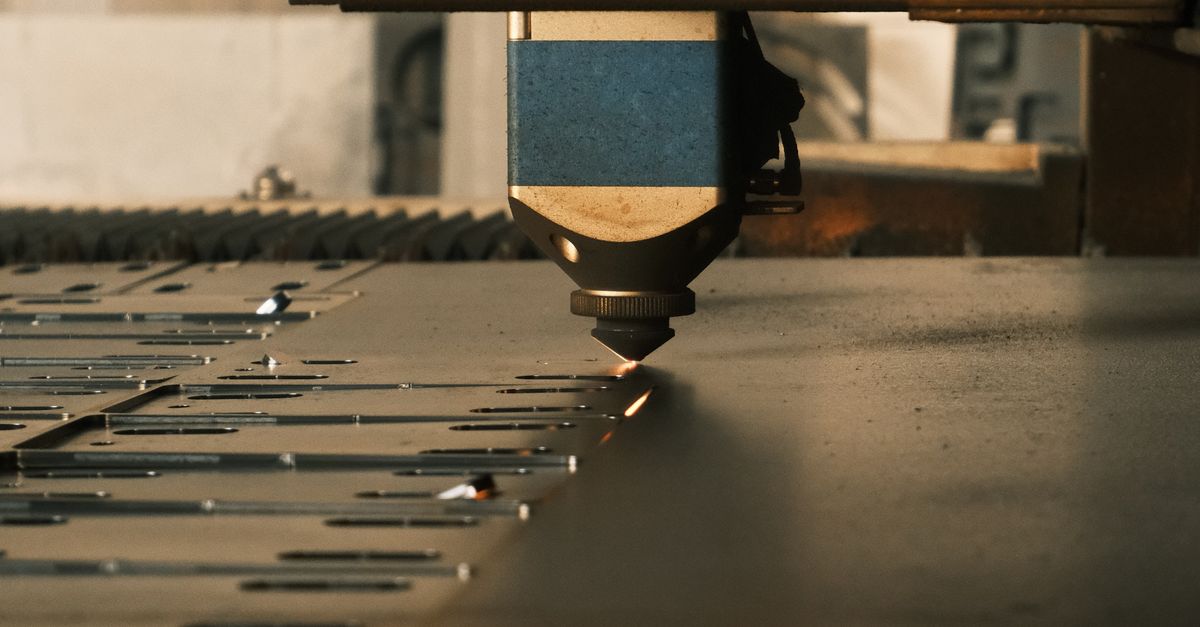
The integration of advanced technologies has transformed traditional practices in sheet metal cutting, paving the way for more sustainable operations. Innovations such as computer numerical control (CNC) machines and laser cutting systems have increased precision while minimising waste. These technologies not only enhance productivity but also reduce energy consumption during the cutting process. Enhanced software tools enable manufacturers to optimise cutting paths, ensuring that material usage is maximised and scrap minimised.
Automation plays a critical role in improving efficiency and sustainability within the industry. Robotics in material handling can significantly decrease manual labour and its associated risks. Additionally, the utilisation of smart sensors and IoT devices allows for real-time monitoring of equipment performance. This data-driven approach facilitates predictive maintenance, thereby reducing downtime and extending the lifespan of machinery. These technological advancements collectively contribute to a more sustainable and environmentally responsible sheet metal cutting process.
Advancements in Cutting Equipment
The landscape of cutting equipment has evolved significantly, incorporating smarter technologies that enhance efficiency and reduce waste. Computer Numerical Control (CNC) machines offer precision and repeatability, resulting in less material waste during the cutting process. These machines, often paired with advanced software, allow for optimisation of cutting paths, ensuring that sheets are used to their maximum potential. Transitioning from traditional methods to these modern tools can lead to substantial energy savings and a reduction in scrap metal.
Laser cutting technology has also gained traction as a sustainable alternative due to its ability to deliver clean cuts with minimal edge deformation. This method not only increases the accuracy of cuts but also lowers the energy consumption associated with fabrication. With the integration of automation and artificial intelligence, these tools are becoming even more efficient, allowing for faster production cycles while maintaining environmental standards. As industries seek to enhance their sustainability profiles, these advancements in cutting equipment play a crucial role in creating a greener future.
Materials Selection for Sustainability
The choice of materials plays a pivotal role in promoting sustainability within the sheet metal cutting industry. Manufacturers increasingly prioritise metals with high recyclability, such as aluminium and stainless steel. These materials require less energy to recycle compared to extracting and processing raw resources. Selecting alloys that minimise environmental impact can also significantly reduce waste generation during the cutting process. Additionally, opting for thinner sheets often results in less overall material usage, aligning with eco-conscious goals while maintaining structural integrity.
In recent years, innovative developments have emerged in the realm of eco-friendly alternatives to traditional metals. Composites and bioplastics are gaining traction, offering options that may perform similarly yet have a reduced carbon footprint. These materials can be used in a variety of applications, often enhancing performance characteristics while addressing environmental concerns. Exploring local sourcing of materials also contributes to sustainability by lowering transportation emissions and fostering regional economies. Emphasising responsible material selection promotes not only the ecological health of communities but also supports the longevity of the industry itself.
Eco-friendly Alternatives to Traditional Metals
The shift towards sustainability in manufacturing has prompted the exploration of eco-friendly alternatives to traditional metals. Materials such as aluminium and titanium are gaining fame for their lightweight properties and high strength-to-weight ratios. These metals are not only recyclable but also require less energy during extraction and processing compared to conventional materials. Innovations in composite materials incorporate biodegradable polymers or reinforcements like natural fibres, offering a lower environmental impact while maintaining performance standards.
Additionally, advancements in metal recycling technologies have made reusing metals more efficient. Recycled metals can perform as well as their virgin counterparts, significantly reducing resource depletion. The adoption of biocompatible materials is beginning to permeate the industry, providing options that align with environmental stewardship. This evolution highlights a future where the balance between functionality and sustainability is increasingly achievable, leading to greener production practices across the metal processing sector.
Workplace Safety and Sustainability
Ensuring a safe working environment is integral to promoting sustainable practices within the sheet metal cutting industry. Implementing robust safety protocols not only protects workers but also enhances operational efficiency. Regular training sessions on equipment handling and emergency procedures foster a culture of safety. This culture, in turn, translates to improved morale and productivity. Employers are increasingly recognising that a safe workplace reduces downtime and associated costs, making it a vital component of sustainable business practices.
Integrating green practices into daily operations contributes significantly to both workplace safety and sustainability. Measures such as adequate ventilation, proper waste disposal, and the use of non-toxic materials can create healthier environments for employees. Companies have begun adopting energy-efficient technologies that reduce hazards and lower their environmental footprint. These initiatives demonstrate a commitment to sustainability while safeguarding the wellbeing of the workforce, aligning organisational goals with environmental responsibility.
Healthier Work Environments through Green Practices
Creating healthier work environments involves integrating green practices that promote both employee well-being and environmental responsibility. Implementing proper ventilation systems helps to dissipate harmful fumes generated during metal cutting processes. Additionally, using low-emission machinery reduces air pollutants in the workplace. Incorporating ergonomic workstations minimizes physical strain on employees, contributing to their overall health.
Establishing recycling programmes encourages responsible waste management and reduces landfill contributions. By utilising eco-friendly cleaning agents, firms can maintain a clean environment without harming employees' health. Training staff on sustainable practices fosters a culture of environmental awareness, ensuring everyone understands their role in promoting a safe and green workplace. These initiatives not only enhance worker satisfaction but also contribute positively to the organisation’s reputation.
FAQS
What are the key technological innovations for sustainability in sheet metal cutting processes?
Key technological innovations include the development of energy-efficient cutting equipment, the integration of automation and robotics, and the use of advanced software for optimising material utilisation and minimising waste.
How can advancements in cutting equipment contribute to sustainability?
Advancements in cutting equipment, such as laser and plasma cutting technologies, offer higher precision and efficiency, reducing energy consumption and material waste, which directly contributes to more sustainable practices in manufacturing.
What materials are considered eco-friendly alternatives to traditional metals used in sheet metal cutting?
Eco-friendly alternatives include recycled metals, biocomposites, and more sustainable alloys that require less energy during production and have a lower environmental impact throughout their lifecycle.
How do sustainable practices in sheet metal cutting affect workplace safety?
Sustainable practices often lead to healthier work environments by reducing exposure to harmful chemicals and emissions, improving air quality, and promoting the use of safer materials and cutting techniques.
What are some green practices that can enhance workplace environments in sheet metal cutting facilities?
Green practices include implementing proper waste management systems, using energy-efficient machinery, ensuring adequate ventilation, and promoting employee training on sustainability and safety measures.
Related Links
The Role of Precision in Sheet Metal Cutting for Quality FabricationComparing Waterjet Cutting Versus Traditional Sheet Metal Techniques
Custom Solutions for Complex Sheet Metal Cutting Requirements
Common Challenges in Sheet Metal Cutting and How to Overcome Them
Tips for Achieving Optimal Results in Sheet Metal Cutting Projects
Understanding the Advantages of Laser Sheet Metal Cutting
Innovations in Sheet Metal Cutting Technologies for Local Fabricators
The Essential Guide to Effective Sheet Metal Cutting in Perth
Advanced Techniques in Sheet Metal Cutting for Custom Applications