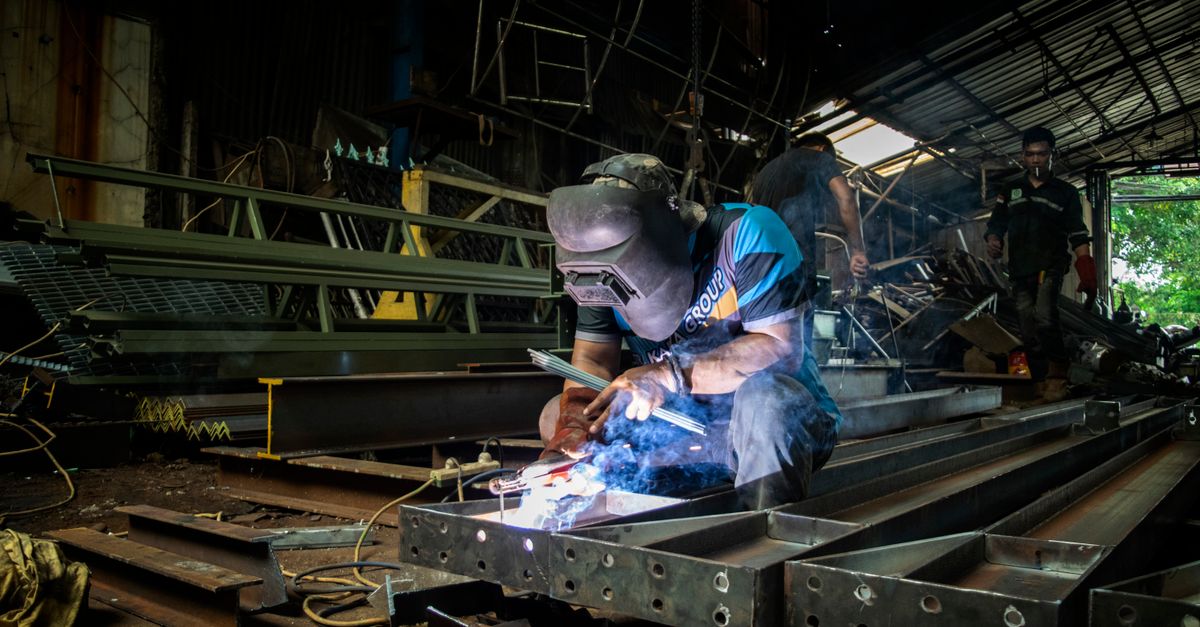
Cost-Effective CNC Machining Options in Perth’s Fabrication Market
Table Of Contents
Materials Commonly Used in CNC Machining
CNC machining relies on a variety of materials, each selected based on the specific requirements of the project. Metals such as aluminium, steel, and brass are prevalent due to their durability and machinability. Aluminium is lightweight and offers excellent corrosion resistance, making it a popular choice for many applications. Steel provides strength and is often used in heavy-duty manufacturing. For less demanding applications, plastics like acrylic and nylon are frequently used. These materials can be easily shaped and are suitable for prototyping and smaller components.
The selection of materials significantly influences the cost and performance of the final product. While metals typically offer higher strength and durability, they often come with increased machining costs. However, selecting the right material can lead to better product longevity and functionality. On the other hand, plastics may reduce initial costs but can compromise on strength and temperature resistance. Understanding the properties of various materials is crucial for optimising both performance and expenses in CNC machining processes.
Cost Implications of Different Material Choices
The choice of materials in CNC machining holds significant weight in determining the overall costs of a project. Metals such as aluminium and steel offer a range of pricing based on factors like grade, availability, and market demand. On the other hand, plastics and composites can present more affordable options yet may still vary in cost depending on the specific type selected. Understanding these nuances is essential for accurate budgeting and ensuring the right material aligns with the project’s requirements.
In addition to the inherent cost of the material itself, aspects like machining time and complexity can also influence expenses. Some materials are more challenging to work with, requiring specialised tooling or extended machining hours, which can drive up costs. Conversely, readily available materials that are easier to machine often result in quicker turnaround times and lower labour expenses. Evaluating both material attributes and the associated manufacturing processes is key to making informed decisions that maintain quality while adhering to budget limits.
Customisation Options in CNC Machining
CNC machining offers a broad spectrum of customisation options that cater to various industry needs. Businesses can specify intricate designs, patterns, and dimensions to ensure that the final product meets their precise requirements. This level of detail enhances the functionality and design of components across fields such as automotive, aerospace, and medical manufacturing. The ability to create unique shapes and features sets CNC machining apart, allowing for parts that are not only effective but also aesthetically pleasing.
Clients looking for tailored solutions can choose from a variety of finishes, textures, and materials. Such choices can significantly influence the final application and performance of the machined parts. Providers often accommodate adjustments during the machining process, giving customers the flexibility to refine their designs. This adaptability is essential for industries that require rapid prototyping or specific alterations in the product lifecycle, ensuring that their needs are met without compromising on quality or precision.
Balancing Customisation with Budget Constraints
Customisation in CNC machining offers businesses the chance to develop unique components that perfectly fit their specific requirements. However, this flexibility can lead to increased costs if not managed properly. Understanding which aspects of the customisation process can be adjusted without compromising quality is essential. Engaging in a detailed discussion with the service provider can help clarify what features are critical for the project and which can be simplified, allowing for a tailored solution that meets both functionality and budgetary constraints.
Controlling costs while maintaining a level of customisation requires strategic planning and clear communication. Clients should establish a clear budget and outline their priorities before starting any CNC project. This ensures that both the provider and the client are aligned on expectations. By exploring alternative materials or processes that achieve the desired outcomes, businesses can find a balance that preserves the integrity of the design while being mindful of financial limitations. Prioritising essential modifications over aesthetic enhancements can also lead to more cost-effective solutions.
Finding Reliable CNC Machining Providers in Perth
The search for dependable CNC machining providers in Perth involves considering several factors. Recommendations from local businesses can yield valuable insights into which companies have a solid reputation. Online reviews and testimonials also provide a glimpse into the experiences of previous clients. This feedback can highlight strengths and weaknesses, offering a clearer picture of what each provider offers.
Another important aspect is the range of services available. Reliable providers should offer a variety of machining options, ensuring they can cater to different project requirements. It's beneficial to inquire about their equipment and capabilities. A well-equipped facility is likely to deliver more precise and efficient results. Quality assurance practices are also critical, as they ensure that the final products meet industry standards and client specifications.
Key Qualities to Look For in a Service Provider
When selecting a CNC machining provider, experience is a critical factor to consider. Providers with a proven track record typically demonstrate a depth of knowledge in various machining techniques and materials. This experience often translates to higher quality work and the ability to troubleshoot issues effectively. A strong portfolio showcasing past projects can give insight into their capabilities and reliability.
Customer service is another essential quality to assess in a machining provider. A transparent and communicative approach fosters a collaborative relationship, ensuring that clients' needs are understood and met. Providers who take time to listen and advise on design choices, timelines, and costs often lead to more successful project outcomes. Establishing this rapport can enhance the overall fabrication experience, resulting in more tailored and satisfactory results.
FAQS
What materials are commonly used in CNC machining?
Common materials used in CNC machining include metals like aluminium, steel, and brass, as well as plastics such as acrylic and nylon. Each material offers different properties that can impact the machining process and the final product.
How do material choices affect the cost of CNC machining?
Material choices can significantly influence the overall cost of CNC machining. Generally, more expensive materials may require specialised machining processes, which can increase labour and tooling costs. Conversely, opting for more affordable materials can help keep project costs down.
What customisation options are available in CNC machining?
CNC machining offers various customisation options, including the ability to create unique shapes, sizes, and intricate designs. You can also specify different surface finishes and tolerances to meet particular project requirements.
How can I balance customisation needs with budget constraints?
To balance customisation with budget constraints, it's essential to prioritize key design features that add the most value while keeping non-essential elements simple. Collaborating with your CNC provider can also help identify cost-effective solutions without compromising quality.
What qualities should I look for in a CNC machining provider in Perth?
When seeking a reliable CNC machining provider in Perth, consider their experience, quality of equipment, range of services offered, customer reviews, and ability to meet deadlines. Additionally, check if they have a transparent pricing structure and good communication practices.
Related Links
Navigating CNC Machining Technologies for Customised Metal SolutionsThe Role of CNC Machining in High-Quality Metal Fabrication
The Future of CNC Machining in Perth's Metal Fabrication Sector
Custom CNC Machining Services: Meeting the Demands of Perth Industries
Adapting CNC Machining for Unique Metal Fabrication Needs
How CNC Machining Enhances Custom Metal Projects in Western Australia
Exploring Advanced CNC Machining Techniques for Metal Fabrication
Advantages of CNC Machining for Custom Metal Parts in Perth
Precision CNC Machining Solutions for Custom Metal Fabrication in Perth